lino Biotech acquired by Miltenyi Biotec
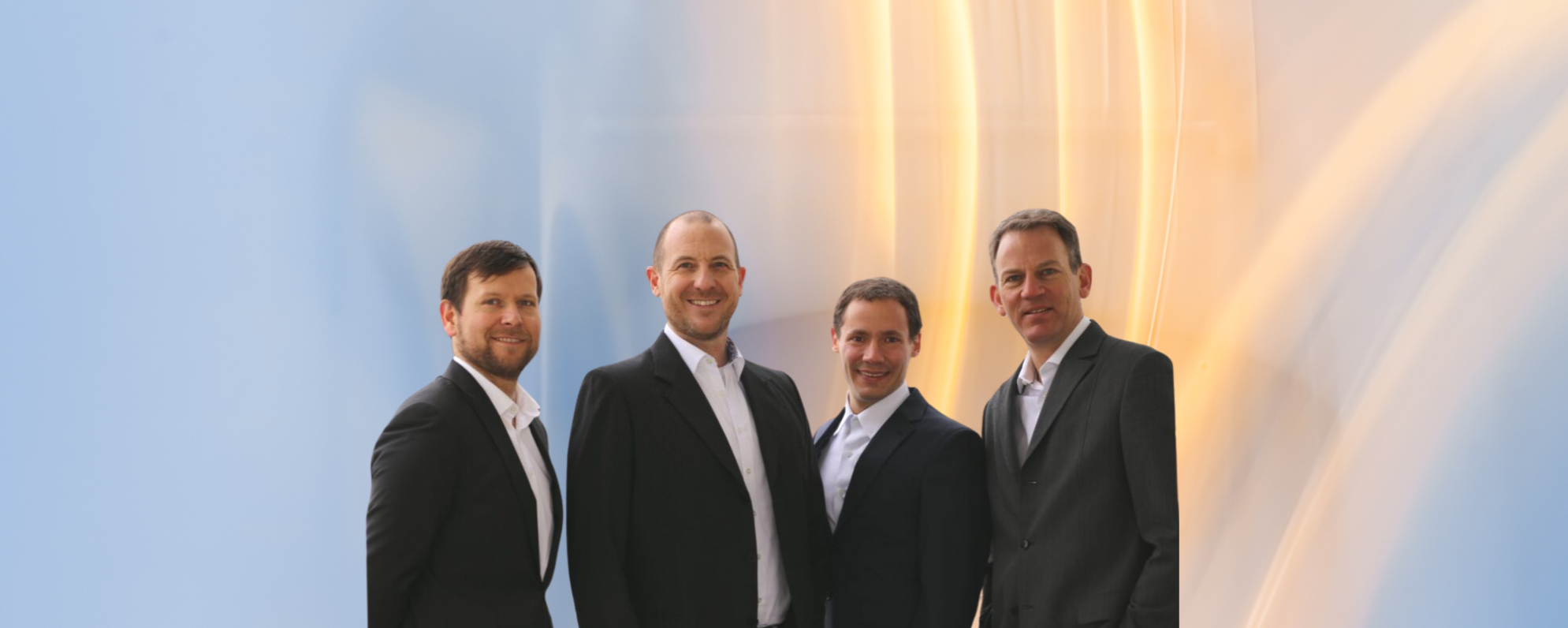
The ETH spinoff lino Biotech announced yesterday that it was acquired by the German biomedical company Miltenyi Biotec, a global and established provider of pro...
Read more
02.09.2022 09:00 Tracy Woodley

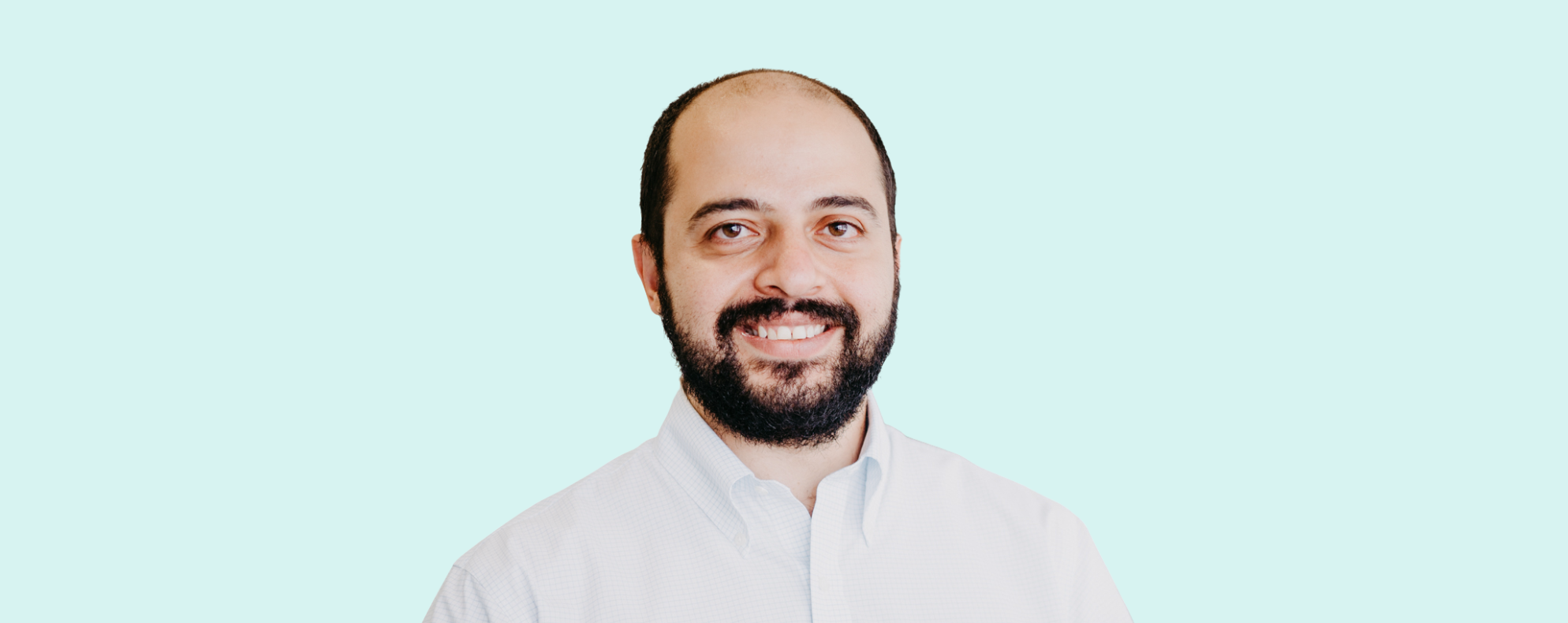
This fall, the Venture Leaders Biotech will represent Swiss innovation in the United States. To select the 10 featured startups, a jury of professional investors and medtech experts reviewed 90 applications. These startups improve diagnostics, treatments, and well-being with innovative solutions that cover artificial intelligence, sensors, smart devices, and robotics. Allow us to introduce you to each of the Venture Leaders Biotech 2022 ahead of the September 2022 roadshow in Boston and Cambridge: Meet Volker Gatterdam, the Vice President Commercial of lino Biotech.
 Name: Volker Gatterdam
Location: Zurich and Düsseldorf
Nationality: German
Graduated from: Goethe University Frankfurt, Ph.D. in Biochemistry (2014)
Job title: VP Commercial
Number of employees: 7
Money raised: CHF 3.5 million
First touchpoint with Venturelab: Venture Leaders Biotech in 2022
Explain in one or two short sentences what your startup does and why: lino Biotech provides a totally new method for measuring molecular interactions in living cells or crude biological samples called focal Molography. Our first products have the aim to make cell therapies more cost-effective and accessible for a broader patient population by offering a new quality control method to improve production and development.
How and where did you come up with the idea for your startup?
The underlying technology of lino Biotech was invented by Roche Basel scientist Christof Fattinger. I was one of the first lucky people working on this topic during my Postdoc time at ETH Zurich starting in 2014. For us it was obvious after some time in the laboratory that this was the perfect technology for a successful startup story.
What do you expect from the Venture Leaders roadshow, and how will it help you achieve your vision?
I hope to increase my network in the US and that the program will support our vision to establish a small legal entity for customer generation and support at the east coast, ideally greater Boston area. Besides having access to future US customers also contacts to potential US investors is a major goal of my participation in this roadshow.
Who does your product or solution help, and how?
Our bioanalytical solution is designed in a way to generate critical production information in bioprocessing and cell and gene therapy in a more convenient and faster way than other solutions. This is achieved by our unique way of measuring protein concentrations and characteristics directly in crude samples without purification. Typical parameters which we try to better characterize are production concentrations of therapeutic antibodies or adeno-associated virus (AAV), but also potency characteristics of CAR-T cell therapies for a better patient outcome.
What are you most excited about at work right now?
The idea of following the entire journey of a technology from the first experiments back in 2014 to its usefulness to the broader scientific community and ultimately to customers really excited me. Now we are closer than ever before to establishing the technology as the major tool for crude sample characterization in life science.
How did you build your team?
We started the company with a founder team of three people covering business and scientific aspects with a great support of ETH Zurich and Roche Basel. We than expanded our team step by step to the current number of 7 employees in Switzerland and Germany to also cover topics like production, marketing and software development but also increased our research capabilities.
Which market are you addressing and what is the potential of your startup?
We address the bioprocessing / cell and gene therapy market as the beach head market for our technology, as we see an increasing need for quality control in this sector that cannot be adequately served by existing technologies. Opportunistically we serve the drug discovery market with our products by offering interesting benefits in off-target response and deorphanization of membrane receptors for example. Due to the platform character of the underlying technology, a further market expansion towards diagnostic and ultimately precession medicine can be tackled in some years down the development road of our company.
What are your key achievements to date?
Besides having established a great team around a trend-setting technology I would say we solved multiple open questions regarding a scalable production of our sensor consumables and designed our first industrial instrument in the last months. We have thus created a solid basis for our business case. However, this would not be possible if we did not had a great scientific community in the background, built by ETH Zurich and Roche over the last eight years.
What is one thing not many people know about you?
Since I spend a lot of time in the office, I need a physical balance from time to time. Where for most people sport comes to bear I have my joy in strenuous craft activities. Sometimes there is nothing more relieving than tearing down a wall.
What is your favorite podcast and why?
The is a very interesting podcast from “Deutschlandfunk” about great ideas and why it went silent around this topic (Tolle Idee! – Was wurde daraus?). Perhaps you all remember a certain project that was hyped by the media as the next big thing, but then disappeared for whatever reason. In this podcast they pick up these topics and explain why it was not working as expected. Highly interesting reports because you can learn from past mistakes or wrong assumptions.
Who inspires you and why?
It is not one particular person that inspires me, but rather a particular group of people who see a potential in a technology for the greater good and seek to push this technology further to application. I have always been impressed by such visionaries and how they have pushed boundaries. In the end you have to make something out of your innovation, otherwise it just disappears somewhere in the almost limitless information space of today.
What is the most challenging aspect of being a founder?
For me, the most challenging aspect is to ignore all the topics which distract me from your outlined business case and company development. As a person with a scientific background, I know the joy of exploring new applications and scientific idea. Sadly, in a startup you have limited resources and you must focus on your main market segment.
What is the most important lesson you have learned as a founder?
As a founder, I learned that sometimes not everything you plan to achieve is the best solution and that things turn out differently in the end. Specific situations have multiple layers and may look different from the perspective of a second party. One must always remain open to other points of view, be open to compromise or even accept solutions that are not in one's own interests. Most of the time everything finds it way to a good final solution.
The Venture Leaders Biotech program is co-organized by Venturelab and Swissnex Boston and supported by Debiopharm, EPFL Lausanne, ETH Zurich, EY - Ernst & Young, Swiss Biotech Association, VISCHER, Hansjörg Wyss, and Venture Leaders alum Ulf Grawunder.
The ETH spinoff lino Biotech announced yesterday that it was acquired by the German biomedical company Miltenyi Biotec, a global and established provider of pro...
Read more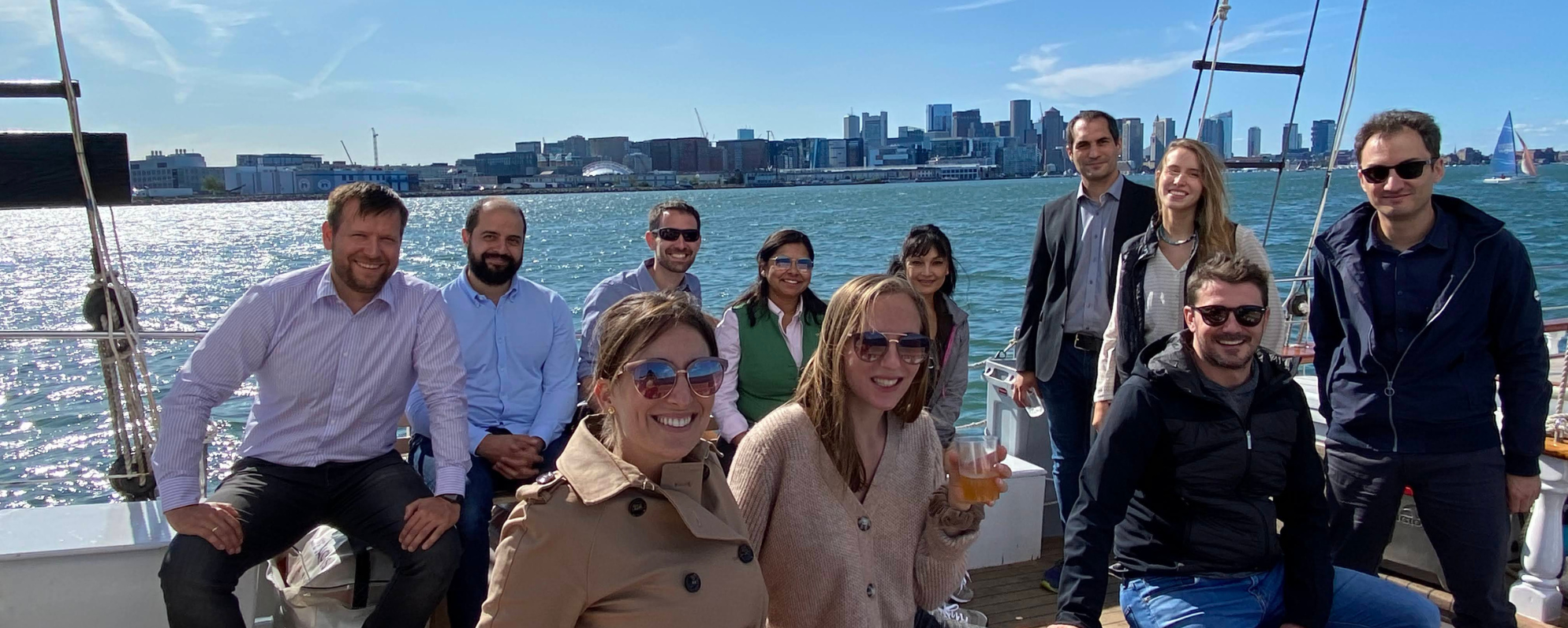
In mid-September, the Venture Leaders Biotech 2022 traveled to Boston to meet with investors, experts and other entrepreneurs in what is considered the center o...
Read more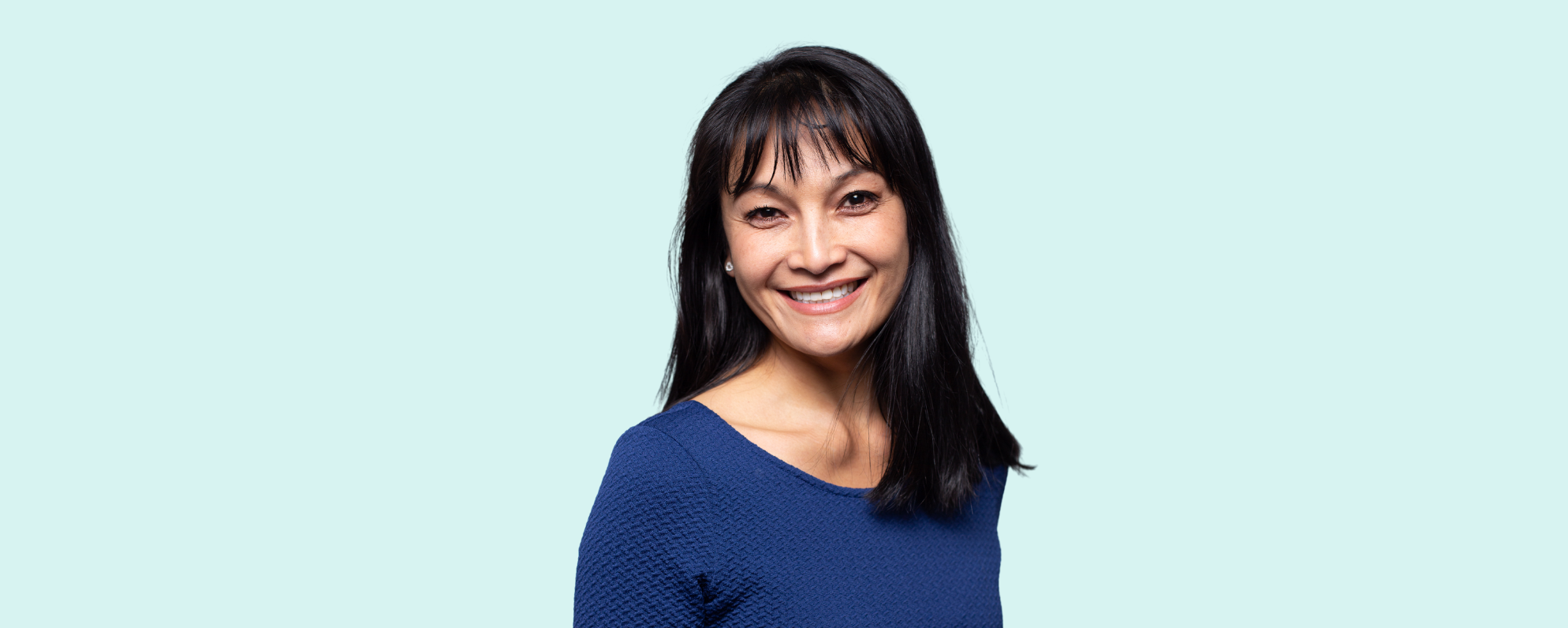
This fall, the Venture Leaders Biotech will represent Swiss innovation in the United States. To select the 10 featured startups, a jury of professional investor...
Read more
This fall, the Venture Leaders Biotech will represent Swiss innovation in the United States. To select the 10 featured startups, a jury of professional investor...
Read more